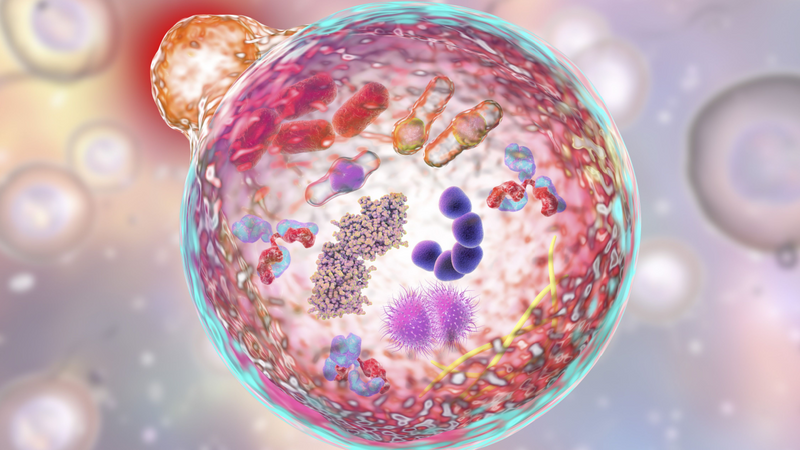
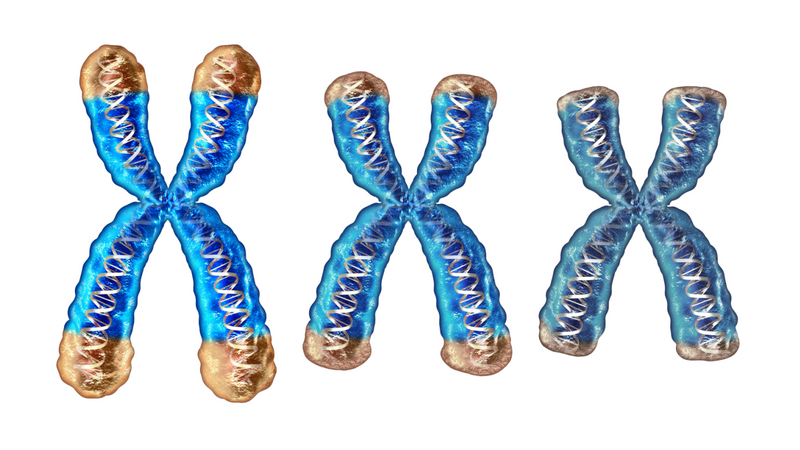
Recent research has revealed several biological pathways linked to aging and longevity. Among these, three molecular agents stand out that have a profound impact on our biological clock: mTOR, SIRT and AMPK. Each of these molecular agents offers us unique insights into the complex mechanisms that control aging and longevity.
The mTOR pathway
mTOR (mammalian target of rapamycin) is a protein kinase, a type of enzyme that regulates cell growth, proliferation and survival. While essential for normal cellular function, dysregulation of mTOR signaling can have far-reaching consequences, including accelerating the aging process.
High levels of mTOR activity are associated with age-related diseases such as cancer, diabetes and dementia. Conversely, suppressing mTOR activity has been shown to extend lifespan in various organisms, from yeast to mice. This is likely because inhibition of mTOR reduces cellular proliferation and stress, thereby increasing the lifespan of cells and the entire organism.
One of the most notable interventions to achieve this goal is the drug rapamycin. Rapamycin, named after its discovery in a soil bacterium on Easter Island, or "Rapa Nui," inhibits mTOR signaling, which can potentially extend lifespan and improve health. However, there is still debate about the exact mode of action and potential side effects, so it is important to consider other regulatory pathways such as SIRT and AMPK.
The SIRT family
Sirtuins, known as SIRT, are a family of proteins found in almost all living organisms. Also called “longevity enzymes,” they play a critical role in regulating cellular health and lifespan by controlling metabolic processes and responding to stress signals.
SIRT1 in particular has been proven to have a strong influence on the aging process. Activating SIRT1 improves the function of mitochondria, the powerhouses of our cells, which is associated with improved insulin sensitivity and glucose tolerance and increased fat oxidation.
Resveratrol , a compound found in red wine, grapes and some berries, has been shown to activate SIRT1, mimicking the positive effects of calorie restriction, a proven method for extending lifespan.
The AMPK pathway
AMP-activated protein kinase (AMPK) acts like a master switch of metabolism in our cells. It is used under low-energy conditions - e.g. B. during exercise or fasting - activates and triggers a cascade of events that are intended to restore energy balance.
Benefits of AMPK activation include improved glucose uptake, improved fat loss, and enhanced mitochondrial biogenesis, which contribute to optimized metabolic health. In addition, AMPK can inhibit the mTOR pathway, thereby reducing cell proliferation and potentially extending lifespan.
Metformin, a common drug used to treat type 2 diabetes, is known to activate AMPK. Studies in model organisms have found that metformin can extend lifespan and health by mimicking some of the benefits of calorie restriction. The use of metformin for its potential anti-aging effects is currently being researched.
Synergy for longevity
Although mTOR, SIRT, and AMPK each influence aging and longevity, they do not work in isolation. They interact with each other in complex networks and together can fine-tune cellular responses to internal and external signals by influencing metabolism, stress resistance, genomic stability and inflammation - all important players in the aging process.
For example, SIRT1 and AMPK can reinforce each other's activity, creating a positive feedback loop for better metabolic control and stress resistance. At the same time, both AMPK and SIRT1 can inhibit the mTOR pathway, potentially reinforcing each other's longevity-promoting effects.
A look into the future
Although research on mTOR, SIRT and AMPK shows promising evidence for slowing the aging process, it's important to remember that longevity isn't just about living longer - it's about living healthy for longer. Therefore, translating these findings into practical measures for human health is a challenging task that requires an understanding of the balance between these signaling pathways and their potential side effects.
We are on the threshold of exciting times in aging research. The possibility of extending human life and healthspan by modulating mTOR, SIRT and AMPK activity is becoming an increasingly realistic prospect. As we deepen our understanding of these complex molecular networks, we move closer to the dream of healthy aging.