Resveratrol is a naturally occurring polyphenol found in over 70 different plant species – including grapes, berries, and in particularly high concentrations in Japanese knotweed (Polygonum Cuspidatum)¹. In longevity research, resveratrol has established itself as a highly interesting active ingredient. It has antioxidant, anti-inflammatory, and cell-protective properties – making it a promising candidate for the prevention of age-related diseases.
Resveratrol and Skin Health
The skin is exposed daily to oxidative stress – from UV radiation, environmental toxins, and the natural aging process. Resveratrol acts as a powerful antioxidant, neutralizing free radicals and thus protecting cell structure². It also supports the body's own production of antioxidant enzymes such as superoxide dismutase (SOD), leading to an improved skin barrier. Studies show that resveratrol promotes collagen synthesis and can balance pigment irregularities – both contributing to a more even complexion³.
Resveratrol and the Cardiovascular System
Resveratrol has positive effects on the cardiovascular system at multiple levels. It has been shown to lower systolic blood pressure, improve lipid profiles, and reduce the oxidation of LDL cholesterol⁴. These effects reduce the risk of atherosclerosis and coronary heart disease. Additionally, resveratrol promotes the production of nitric oxide (NO), which relaxes blood vessels and improves circulation⁵.
Resveratrol and Metabolism
Insulin sensitivity, glucose utilization, and lipid metabolism are key parameters for metabolic health. Resveratrol has been shown in several studies to improve insulin action and stabilize blood sugar levels⁶. This occurs, among other things, through the activation of Sirtuin 1 (SIRT1) and AMP-activated protein kinase (AMPK) – two molecular switches that play central roles in energy metabolism and cell regeneration⁷.
Resveratrol and Cognitive Health
Neurodegenerative diseases like Alzheimer's are often linked to chronic neuroinflammation and oxidative stress in the brain. Resveratrol reduces inflammation in nervous tissue, inhibits the formation of neurotoxic plaques, and regulates metal ions such as copper and iron, which contribute to plaque formation⁸. Initial clinical studies suggest a positive influence on memory performance and neural communication⁹.
Resveratrol and Longevity
Probably the most exciting area: Resveratrol directly influences cellular aging processes. It activates sirtuins – especially SIRT1 – which in turn regulate processes like DNA repair, gene expression, and cell recycling¹⁰. In laboratory studies, resveratrol was able to significantly extend the lifespan of model organisms such as yeast cells, worms, and fish¹¹. Whether this effect can be fully transferred to humans has not yet been definitively clarified – but the molecular mechanisms are compelling.
Resveratrol and Cancer Prevention
Resveratrol exhibits anticarcinogenic properties by inhibiting specific signaling pathways responsible for cancer cell growth¹². At the same time, it supports the immune system in recognizing and eliminating aberrant cells, partly by activating TNF-α and IFN-γ¹³. In preclinical models, resveratrol has been shown to slow tumor growth and enhance the efficacy of conventional therapies.
Resveratrol and Quercetin – a Powerful Duo
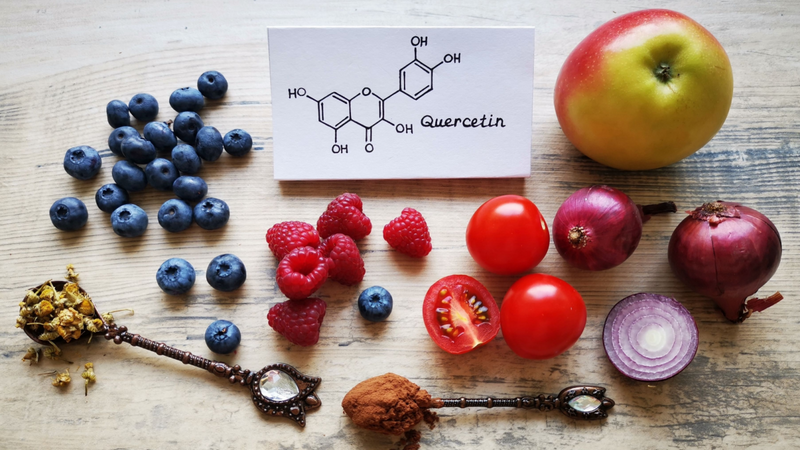
In combination with quercetin, another natural polyphenol, the effects of both substances are enhanced. Especially with regard to metabolic and cognitive health, this combination has shown positive effects in studies – for example, in older overweight adults¹⁴. Quercetin also improves the bioavailability of resveratrol in the body.
cis- vs. trans-Resveratrol: What's the Difference?
Resveratrol exists in two molecular forms: cis and trans. Trans-resveratrol is the more stable and biologically active variant¹⁵. Dietary supplements should therefore preferably contain trans-resveratrol – identifiable by declaration or laboratory analysis.
Resveratrol from Japanese Knotweed – the Proven Source
Traditionally, resveratrol is extracted from Japanese knotweed (Polygonum Cuspidatum). This plant naturally contains particularly high concentrations of trans-resveratrol. Modern extraction methods allow for high purity (over 98%), without residues or heavy metals. Japanese knotweed also offers the advantage of being researched for decades and used in traditional Asian medicine.
Unlike biotechnological processes such as yeast fermentation, this method is based on a natural source with traditional use and broad acceptance. The form of resveratrol obtained in this way shows good bioavailability and high stability, especially with dry storage. For dietary supplements with a focus on naturalness and purity, Japanese knotweed remains an excellent choice.
Conclusion
Resveratrol is a versatile, well-researched active ingredient with high potential for promoting healthy cellular aging. From the skin to the heart to the brain – research shows promising effects. Those who prioritize quality should opt for trans-resveratrol from a natural source like Japanese knotweed.