The pursuit of longevity, or simply a healthier, longer life, is an age-old pursuit. An exciting area of research in this area is the tiny protective caps on our DNA, the telomeres. The role of these tiny structures in human aging and lifespan has attracted significant scientific attention in recent years. They are not just markers of age; Understanding them better could pave the way for innovative treatments and interventions that can improve human health and potentially extend lifespan.
Understanding telomeres: The protective caps of chromosomes
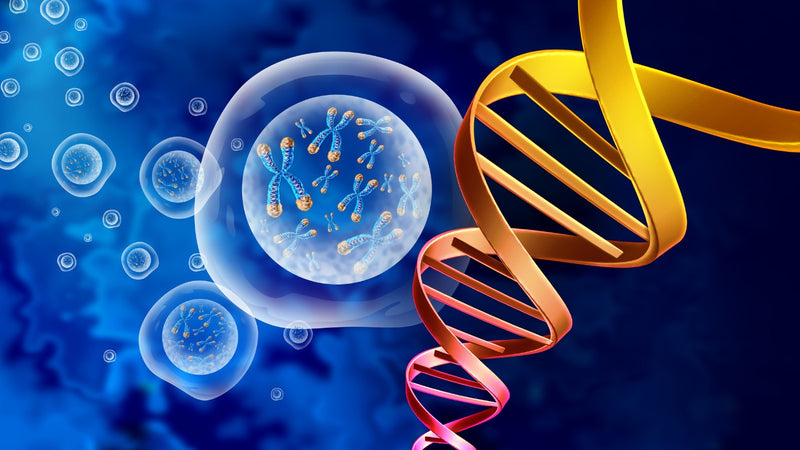
Telomeres are repeating sequences of non-coding DNA that cover the ends of chromosomes. They have a protective function, like the plastic tips of shoelaces, which prevent them from fraying. Every time a cell divides, its chromosomes must also double. However, due to the nature of DNA replication, the ends of chromosomes are not replicated, causing the chromosomes to become shorter and shorter over time. To counteract this, telomeres absorb the loss and shorten with each cell division to preserve vital genetic information.
Telomeres and aging: A complex connection
When telomeres become critically short, cells enter a state called "replicative senescence" and they are no longer able to divide. Senescence is a double-edged sword: on the one hand, it prevents the proliferation of potential cancer cells, on the other hand, it accelerates tissue dysfunction - a hallmark of aging.
As we age, a buildup of senescent cells in our tissues can cause chronic inflammation and impair tissue function, contributing to diseases such as heart disease, diabetes, neurodegenerative disorders and cancer. Studies suggest a link between shortened telomeres and these age-related diseases, but more research is needed to establish a causal link.
Telomerase: A fountain of youth?
Telomerase, an enzyme found in some cells such as germ cells and stem cells, can add DNA sequence repeats ("TTAGGG" in all vertebrates) to the 3' end of DNA strands in the telomeric regions, effectively rebuilding them. Theoretically, it can extend the lifespan of a cell by preventing or slowing down the shortening of telomeres.
However, it is not so easy to activate telomerase in all cells to promote longevity. While it could slow aging, telomerase activation is also a method by which cancer cells achieve immortality, leading to uncontrolled cell growth. Therefore, any treatments aimed at increasing telomerase activity or telomere length must be carefully weighed between the potential benefit and risk of promoting cancer growth.
Targeting Telomerase for Longevity: The Future
Although telomere biology offers tantalizing potential for treating age-related diseases and extending lifespan, we are still in the early stages of understanding this complex system. Current research is focused on developing treatments that can lengthen telomeres or increase telomerase activity in a safe and controlled manner.
For example, the therapies could aim to increase telomere length in stem cells to improve their ability to repair tissue and potentially slow the aging process. On the other hand, identifying substances or lifestyle interventions that improve telomere maintenance could also lead to strategies for healthier aging.
Further research is also looking at how telomeres interact with other processes involved in aging, such as oxidative stress and inflammation, to provide a comprehensive picture of the biology of aging.
Telomeres are influenced by lifestyle
The role of telomeres in aging and longevity is undeniably complicated. While we're only scratching the surface of telomere biology, efforts to understand these microscopic DNA caps and harness them for healthier, longer lives are extremely promising.
Remember that the goal of longevity research is not only to extend life, but also to improve quality of life in later years. As we continue to unravel the secrets of telomeres, we will move one step closer to this goal. Until then, healthy lifestyle habits - a balanced diet, regular exercise, adequate sleep and stress management - remain the best recipe for healthy aging.
The science of telomeres is not the fountain of youth, but it is part of the puzzle for understanding the complex mechanisms of aging and longevity. In the ever-evolving field of longevity science, telomeres and their protective role represent a promising target for new discoveries and potential treatments.