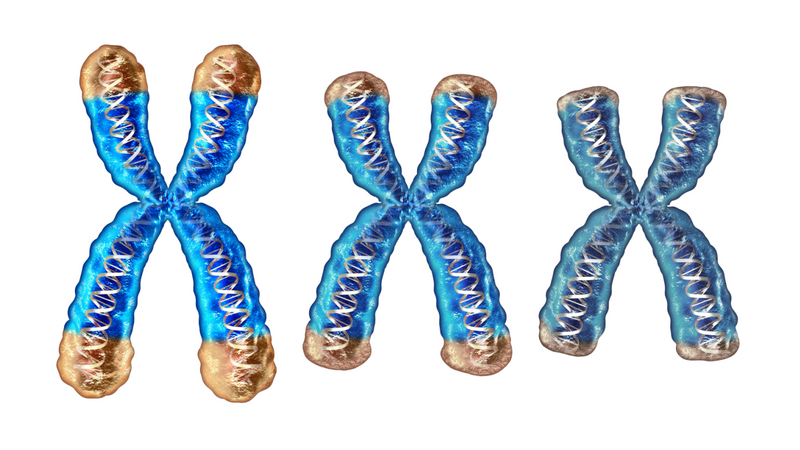
The concept of the “internal biological clock” is familiar to most people, but less well known is the Horvath clock. This particular clock is an epigenetic method developed by Dr. Steve Horvath, a professor of human genetics and biostatistics at the University of California, Los Angeles.
What is the Horvath clock?
The Horvath clock is a molecular biology model for precisely measuring a person's biological age based on DNA methylation. DNA methylation is a process in which methyl groups are added to specific sites in DNA, altering the activity of a DNA segment. In human cells, DNA methylation varies with age, and this pattern of changes forms the basis of the Horvath clock.
The Horvath Clock calculates a person's biological age based on DNA methylation levels at 353 different locations in the genome. The result, called "DNA methylation age," provides an accurate estimate of a person's biological age, which may be different from their chronological age.
Why is the Horvath watch important for longevity research?
The Horvath clock is more than just a tool for determining biological age. It opens up far-reaching opportunities for understanding the underlying mechanisms of aging and disease.
Research has shown that accelerated DNA methylation age compared to chronological age correlates with a higher risk of age-related diseases and a shorter life expectancy. Conversely, a slower DNA methylation age indicates a healthier aging process and a longer life expectancy. The ability to measure a person's biological age and compare it to their chronological age provides valuable insight into their overall health and possible disease risks. Through precise and reproducible measurements, the Horvath Watch allows scientists to study the biological effects of lifestyle, diet and medical interventions on the aging process.
One of the most fascinating aspects of the Horvath Clock is that it can not only determine a person's biological age, but also has the potential to predict the amount of time left to live and diseases that might arise as one ages.
The future of the Horvath watch and other areas of application
The potential impact of the Horvath watch goes beyond longevity research. As a diagnostic tool, it could be used in clinical settings to predict disease risk and adjust patients' treatment plans based on their biological age.
The Horvath watch could also be used in evaluating lifestyle interventions such as diet, exercise and stress management to determine their impact on biological aging. This could enable every person to take steps to slow their own biological aging process and further push the limits of human longevity.