Aging is a natural and unavoidable process that every living being goes through. For some it causes fascination, for others it causes discomfort, especially when we notice the signs of aging in ourselves. But what exactly happens in our bodies as we age? In this article we will look at the 9 basic characteristics of aging as defined by the scientific community.
The 9 Signs of Aging
The characteristics of aging can be divided into three overarching categories: primary, antagonistic and integrative characteristics. Each category represents a different level of cellular and molecular aging processes.
I. Primary characteristics
These are the primary causes of cell damage due to aging:
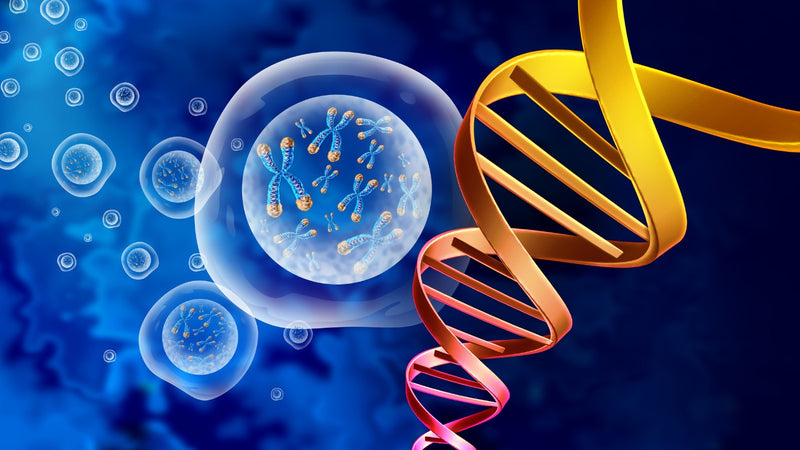
1) Genomic instability: Genomic instability refers to an increased susceptibility to changes in DNA that can cause cells to stop functioning normally or die. As we age, the mechanisms that repair and protect our DNA decline, leading to increased genome instability. This instability can lead to various age-related diseases such as cancer and dementia.
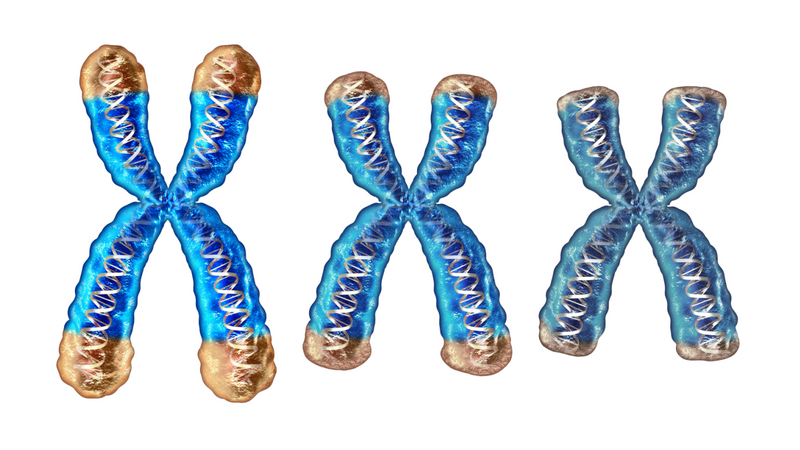
2) Telomere shortening: Telomeres are the protective ends of our chromosomes. With each cell division, these telomeres shorten until they are eventually so short that the cell can no longer divide properly, leading to cell death or a type of "resting state" called senescence.
3) Epigenetic Changes: Epigenetics refers to changes in genes that do not affect the DNA sequence itself, but how those genes are read and implemented. With age, these patterns can change, leading to altered gene function and possibly disease.
4) Loss of proteostasis: Proteins play a crucial role in almost all biological processes. Loss of proteostasis refers to the imbalance between the production of new proteins and the degradation of old, damaged proteins, which can lead to an accumulation of defective proteins .
II. Antagonistic features
These features arise in response to damage that is beneficial when the impact is moderate but detrimental when the damage is chronic.
5) Impaired nutrient sensitivity: Aging is accompanied by changes in the perception of nutrients that help regulate metabolism. While reduced activity, e.g. B. through fasting or calorie restriction, which increases sensitivity and extends our lifespan, excessive nutrient intake is accompanied by loss of sensitivity, which can lead to metabolic diseases such as diabetes.
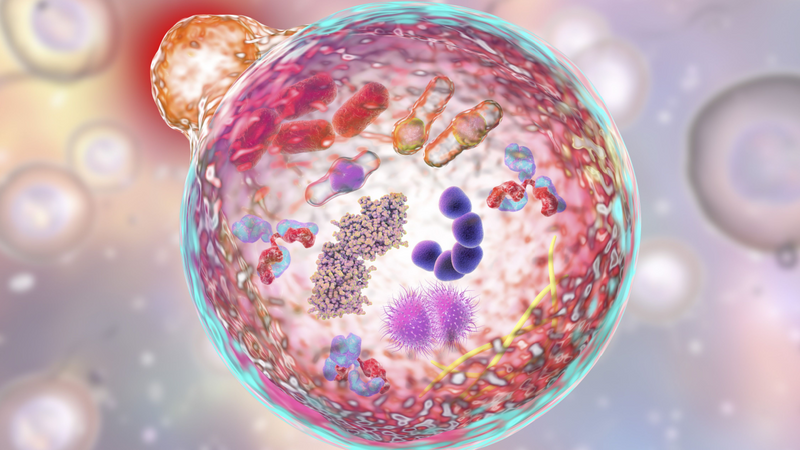
6) Mitochondrial Dysfunction: Mitochondria are the powerhouses of our cells. As we age, they tend to become less efficient, leading to increased oxidative stress, which damages cellular components and contributes to aging.
7) Cellular Senescence: As cells age or become damaged, they enter a state of senescence in which they can no longer divide or die. While this prevents the spread of potentially harmful mutations, the accumulation of these cells can disrupt tissue function and promote inflammation.
III. Integrative features
These characteristics arise from a combination of the previous categories and directly affect the functionality and structure of the organism.
8) Stem cell depletion: Stem cells repair damaged tissue by dividing and differentiating into specific cell types. As we age, the stem cell population and their efficiency decreases, affecting the body's ability to heal and regenerate.
9) Altered intercellular communication: As we age, the communication signals between cells are disrupted, which results in our immune system no longer functioning properly and inflammatory conditions being promoted.
It is important to understand that the 9 characteristics of aging do not exist independently of each other - they interact and influence each other in complex ways. By better understanding the underlying processes, we can develop strategies to promote healthy aging and reduce the risk of age-related diseases . Understanding and influencing the biology of aging promises to be one of the most important scientific and medical research areas of the 21st century.